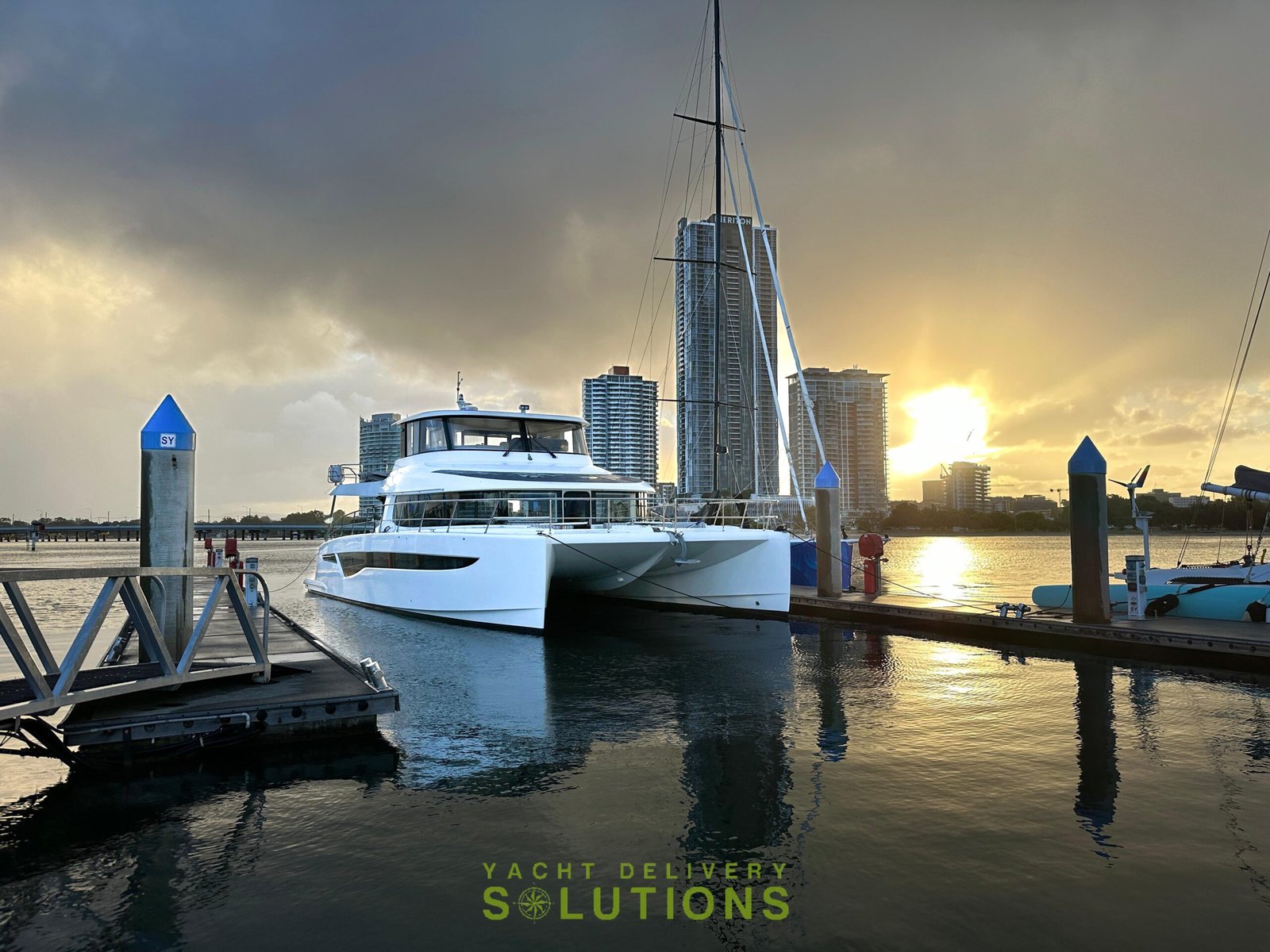
Singapore to Phuket yacht delivery is a high-traffic regional passage through the Strait of Malacca. It requires structured routing, continuous watchkeeping, and timing around monsoon conditions.
Distance and Duration
The route is approximately 500–600 nautical miles depending on track selection. Typical duration is 3–5 days for motor yachts and 4–6 days for sailing vessels, assuming stable conditions and no extended stops.
Routing Options
Coastal Malacca Strait Route:
Follows the traffic separation scheme (TSS) northbound along the Malaysian coast. This is the most common option due to predictable navigation markers and access to shelter if required.
Offshore Deviation:
Used selectively to reduce congestion. Increases exposure to open sea conditions and requires stronger weather confidence.
Key routing factor is maintaining safe distance from shallow banks and adhering to TSS regulations.
Traffic Considerations
The Strait of Malacca is one of the busiest shipping lanes globally.
Operational requirements:
-
Continuous AIS monitoring
-
Radar watch, especially at night
-
Strict COLREGS compliance
-
Early course adjustments to avoid close-quarters situations
Fishing activity increases closer to coastal zones, particularly near Malaysia and southern Thailand.
Weather and Timing
This route is influenced by regional monsoon systems:
-
Northeast Monsoon (Nov–Mar): Favorable for northbound passages. More stable winds and reduced squall activity.
-
Southwest Monsoon (May–Sep): Increased rain, squalls, and variable winds. Short-period seas can develop in exposed sections.
Weather routing focuses on avoiding convective systems and maintaining manageable sea states rather than optimizing speed.
Key Navigation Considerations
-
Maintain position within designated traffic lanes
-
Monitor fuel consumption due to potential speed adjustments in traffic
-
Plan rest rotations due to high vigilance requirements
-
Use updated charts for shifting shoals and port approaches
-
Identify bailout ports such as Port Klang or Penang if conditions change
Night navigation is standard but requires heightened alertness due to dense vessel movement and intermittent lighting from smaller craft.
Arrival into Phuket
Approach to Phuket typically involves entry via the southern or western channels depending on final routing.
Key steps:
-
Reduce speed in coastal traffic zones
-
Monitor local fishing activity
-
Follow marina or anchorage approach guidance
Clearance is completed in Thailand through designated ports of entry. Coordination with local agents streamlines customs and immigration processing.
Summary
Singapore to Phuket yacht delivery is defined by heavy commercial traffic, structured routing, and monsoon-influenced weather. It is operationally straightforward in stable conditions but requires disciplined watchkeeping, accurate navigation, and conservative decision-making in congested waters.