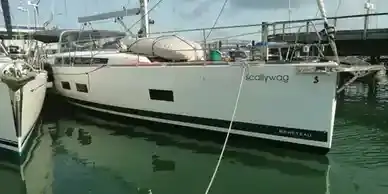

The Indonesia to Singapore delivery planning depends on vessel requirements. A power boat will need a satisfactory fuel reserve. A passage in a sailing yacht will need to take advantage of weather opportunities.
Before leaving, crews check engine performance, steering response, and navigation systems. In particular, AIS and radar must operate continuously due to heavy traffic along the route. In addition, crews plan departure timing around tidal flow to benefit from favorable current toward Singapore.
Weather also plays a role. During the Northeast Monsoon, winds generally blow from NE to E at 10–20 knots, creating short and choppy seas in exposed sections. However, conditions at departure are often manageable with good visibility. Crews complete Indonesian clearance before sailing to avoid delays later.
The Indonesia to Singapore delivery on average is, typically 1000 to 1500nm nautical miles depending on the departure point. However, traffic density makes this passage operationally demanding.
First, vessels position for a controlled entry into the Traffic Separation Scheme (TSS). Then, they cross shipping lanes at near right angles while maintaining steady course and speed. This approach reduces risk and ensures compliance with navigation rules.
Traffic remains the primary factor throughout. Large container ships and tankers move at speed and cannot easily alter course. Therefore, crews must make early and deliberate decisions when adjusting heading.
At all times, AIS and radar provide continuous tracking, while visual watchkeeping confirms targets. Meanwhile, squalls may develop quickly and reduce visibility. Although these systems pass fast, crews must respond immediately to wind shifts.
Currents also influence the passage. Tidal streams can reach 2–3 knots, so timing the crossing with favorable flow reduces exposure in shipping lanes.
Key considerations include:
If possible, crews prefer daylight crossings. At night, heavy lighting from ships and shore reduces contrast and increases workload.
Upon arrival, crews transition into Singapore port limits, where procedures remain structured and controlled.
Most vessels proceed to One°15 Marina Sentosa Cove, Raffles Marina, or Marina at Keppel Bay. Before arrival, crews submit all required documentation and confirm berthing arrangements.
As the vessel approaches, crews monitor port communications and follow traffic guidance where necessary. After berthing, authorities complete immigration and customs clearance at the marina.
Although conditions inside port limits remain calm, vessel wake may still affect the final approach.
The Indonesia to Singapore delivery depends more on traffic management than distance. While the route is short, it requires constant awareness and precise navigation.
Overall, this passage includes:
For this reason, crews succeed by planning timing carefully, maintaining situational awareness, and keeping vessel movements predictable at all times.

WhatsApp us