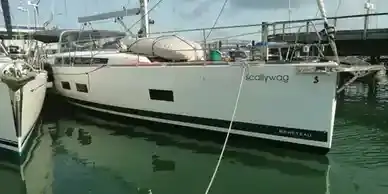

The yacht delivery cost depends on distance, vessel type, crew requirements, and operational complexity. Unlike fixed transport, delivery pricing varies based on real-world conditions, routing, and time at sea.
Each delivery must account for fuel, crew, logistics, and potential delays. As a result, costs are calculated per passage rather than using flat rates.
Crew is a primary component of yacht delivery cost.
Typical structure includes:
Rates vary based on experience, vessel type, and offshore requirements. Longer or more complex routes require larger crews to maintain safe watch rotations.
Crew costs are calculated per day and include:
Fuel consumption varies significantly depending on vessel type.
For motor yachts:
For sailing yachts:
Additional operating costs include:
Fuel planning directly impacts total delivery cost, especially on long-range routes.
Port and marina costs form a consistent part of yacht delivery cost.
These include:
Some locations, such as Singapore, have higher marina and handling costs. Others may involve more administrative fees depending on local regulations.
Provisioning supports both crew and passage requirements.
Costs typically cover:
In addition, logistics may include:
These costs vary depending on departure and arrival locations.
Route complexity directly affects total cost.
Factors include:
For example, waiting for favorable weather or adjusting speed for arrival timing can extend the delivery timeline and increase overall cost.
While pricing varies, most deliveries follow a similar structure:
Therefore, total cost reflects both time and operational requirements rather than distance alone.
The yacht delivery cost is determined by a combination of crew, fuel, logistics, and route-specific factors.
Key cost drivers include:
Accurate cost planning requires a full understanding of the route, vessel, and operational conditions.

WhatsApp us