
Delivering a heavy displacement motor yacht across Asia and into Australia is never about speed. It’s about preparation, margins, and avoiding problems that only become expensive once you’re already offshore.
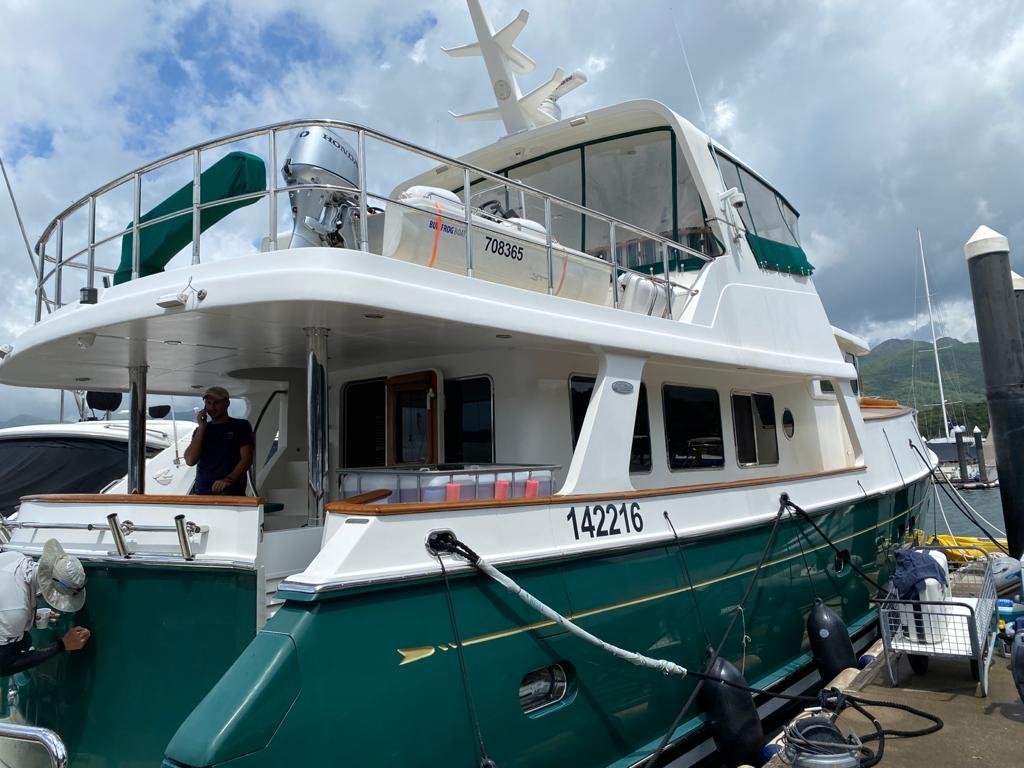
This delivery involved a Selene 60 Ocean Explorer, moving from Hong Kong to Cairns — a long passage that crosses multiple weather systems and leaves very little room for casual decision-making.
What follows isn’t a sea story. It’s an explanation of how we approached the preparation and delivery, and why that preparation matters on a yacht of this type.
Before we looked seriously at routing or timing, the focus was on the yacht itself.
The Selene 60 is a capable platform, but like most owner-focused motor yachts it carries a lot of systems: propulsion, fuel management, electrical generation, hydraulics, steering, and automation. Any one of those becoming unreliable offshore changes the nature of the voyage very quickly.
Preparation started with confirming the yacht could operate comfortably for long periods at conservative power settings. That meant looking closely at engine condition, fuel cleanliness, filtration redundancy, charging capacity, and how the boat behaved electrically under continuous load — not just at the dock.
The goal wasn’t to make the yacht perfect. It was to remove single points of failure and make sure any likely issue could be managed without drama.
Owners sometimes assume the risk in a delivery like this comes from distance. In reality, most problems are introduced before the lines are even cast off.
Fuel contamination, marginal batteries, unreliable sensors, poorly understood systems — these are the things that create cascading issues days offshore, when options are limited and schedules start to matter.
On this Selene 60OE, preparation was deliberately methodical. Systems were checked, run, and rechecked. Spares were selected based on what actually fails at sea, not what looks good on a checklist. Nothing was rushed to meet an artificial departure date.
That patience upfront is what keeps a delivery boring later — and boring is exactly what you want.
The route from Hong Kong to Cairns crosses a mix of monsoon-influenced waters and more open ocean. Weather planning wasn’t about chasing a perfect forecast, but about choosing a window that reduced exposure over time.
Rather than locking in hard dates, the departure was planned with flexibility.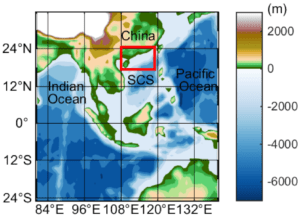 That allowed us to wait for a pattern that made sense for the yacht, the season, and the fuel range, rather than forcing progress for the sake of a calendar.
This is especially important with a motor yacht delivery. You don’t have sails to stabilise motion or extend range. Fuel burn, sea state, and crew fatigue all compound quickly if the plan is too optimistic.
On a passage of this length, crew management matters just as much as technical preparation.
The watch system was set conservatively, with an emphasis on maintaining decision quality rather than squeezing miles out of the day. Fatigue leads to poor judgement, and poor judgement offshore tends to show up later as mechanical or navigational problems.
Clear reporting routines were established before departure, so the owner knew what to expect and when to expect it. That kind of structure reduces pressure on everyone involved and keeps the delivery predictable.
The yacht arrived in Cairns as planned, with systems operating normally and no surprises waiting at the dock.
Cairns is a sensible arrival point for Asia–Australia deliveries. It offers good infrastructure, access to support services, and a straightforward handover environment for owners or managers planning the next stage.
Most importantly, the delivery concluded the same way it started: quietly, professionally, and without unnecessary complication.
A delivery like this reinforces a simple truth:
long motor yacht passages are won in preparation, not at sea.
For owners and brokers considering similar voyages, the key takeaway is not about miles covered or days logged. It’s about choosing an approach that prioritises margins, conservatism, and experience with complex yachts.
That’s what keeps a valuable asset moving safely from one region to another.
Offshore motor yacht delivery
Hong Kong to Australia yacht delivery routes