
We arrange professional delivery for Jeanneau sailing yachts and motor yachts between ports in Southeast Asia and on longer offshore passages across the Asia-Pacific. Each relocation is planned around the yacht, departure point, destination and expected conditions. We coordinate vessel preparation, passage planning, watchkeeping, owner communication and final handover. If you are arranging a move for your Jeanneau, tell us the model, current location, destination and approximate timing. We can review the requirements and prepare an estimate.
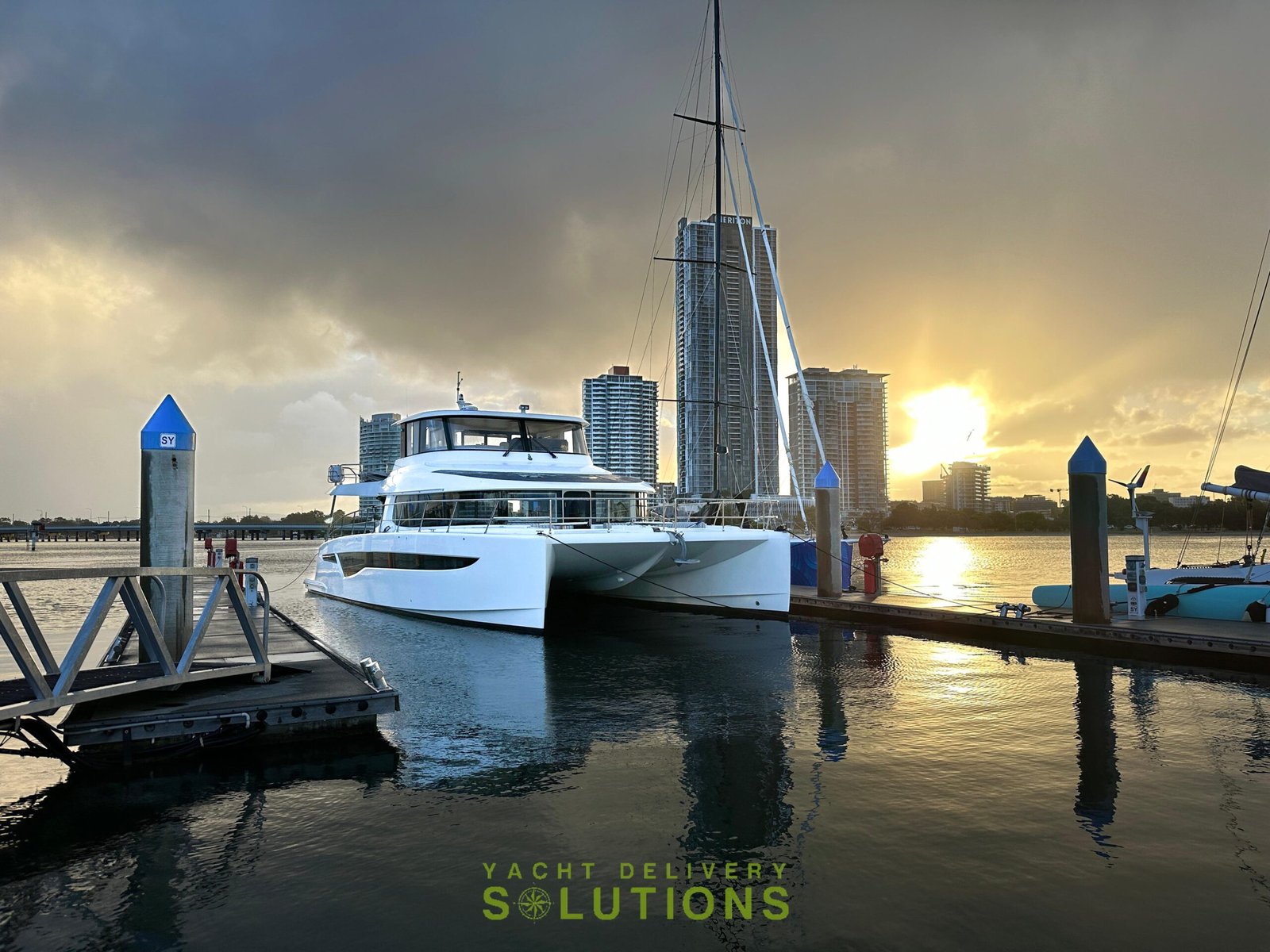
The most direct route is not always the most suitable. We assess the proposed passage according to the Jeanneau’s capabilities, equipment, weather conditions, commercial traffic, fuel availability and possible stopping points. Coastal and offshore routes require different considerations, so the plan is tailored to the yacht and intended destination.
Every Jeanneau has its own configuration, condition and maintenance history. Before departure, the systems needed for the passage should be assessed, including propulsion, steering, navigation, communications and safety equipment. Sailing yachts also require attention to rigging and sails, while motor yachts need appropriate engine and fuel-system checks.
We coordinate the delivery from departure planning to final handover, including passage preparation, crew arrangements, weather monitoring, owner updates and arrival coordination. Customs and clearance requirements are considered where applicable.
Fuel, provisions, spare parts, clearances and potential stopovers need to be considered before departure. Requirements depend on the vessel, route distance, operating range and availability of suitable ports. Longer offshore passages require additional planning for reserves, supplies, weather windows and contingencies.
Jeanneau builds sailing yachts and motor yachts with different configurations and operating requirements. The delivery plan must reflect the individual vessel, including its propulsion, equipment, range, condition and intended use. Passages around Southeast Asia may involve busy commercial waterways, exposed coastal sections, seasonal weather and international arrival procedures. Longer Asia-Pacific routes require further consideration of passage distance, suitable stopping points, fuel or sailing requirements and available weather windows. We assess the proposed delivery before departure so the owner can understand the practical requirements and arrangements.
Chat with your skipper
The vessel is delivered with clear reporting on passage performance, onboard systems, fuel usage, and any operational observations identified during the trip. Owners receive a practical handover together with straightforward communication on how the vessel performed throughout the delivery.
Delivery estimates are discussed upfront based on vessel type, offshore route, fuel requirements, crew, and expected timeframe. Quotes are based on realistic passage planning and regional operating conditions throughout Thailand and Southeast Asia.
Deliveries are managed with structured offshore planning, experienced crew, and conservative operational decision-making. Particular attention is given to vessel condition, fuel management, weather routing, marina coordination, and safe operation throughout the passage.
Regular updates are provided throughout the delivery, including vessel position, weather conditions, route progress, and onboard observations. Owners remain informed throughout the passage with direct communication and clear reporting from departure through to final handover.
Fuel planning is based on vessel burn rate, cruising speed, and route distance. We calculate expected consumption and identify refuelling points in advance, with contingency built in.
Primary factors are vessel type and size, fuel consumption, route distance, crew requirements, and timeframe. Weather delays or route changes can also affect final cost.
No. Deliveries are run at efficient cruising speeds to balance fuel consumption, range, and mechanical reliability.
Refuelling stops are planned before departure based on range and available infrastructure. We avoid tight margins and maintain fuel reserves throughout the passage.
Vessel type and model, current location, destination, preferred timing, and any known mechanical or operational considerations.
For longer offshore legs, we’re experienced with auxiliary fuel solutions including bladders, IBCs, and onboard fuel transfer systems. These are integrated into the delivery plan with clear safety procedures, allowing extended range while maintaining appropriate reserves and operational margins.

WhatsApp us