Technical Logistics: Power Boat Relocations from Asia to the South Pacific
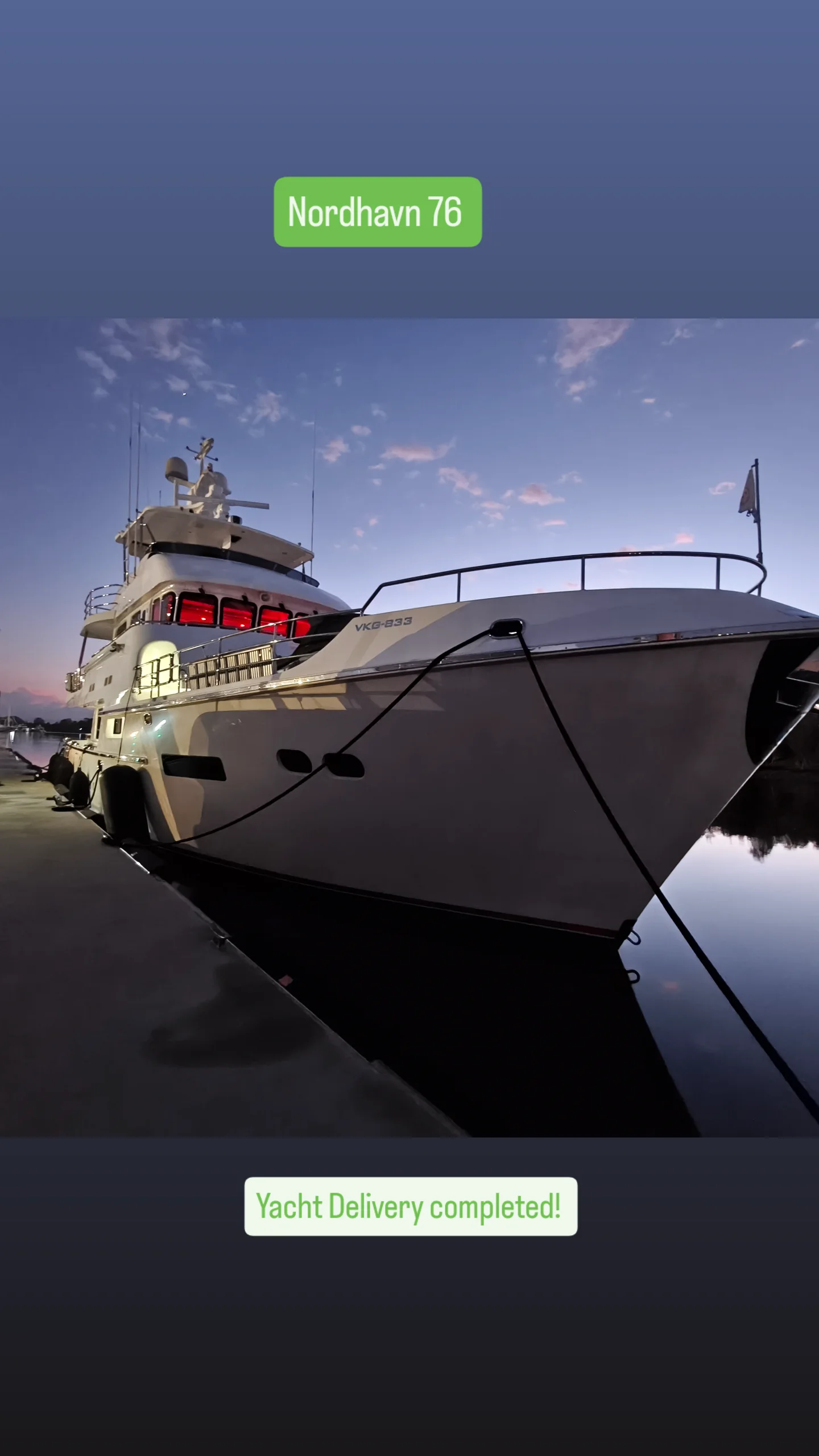
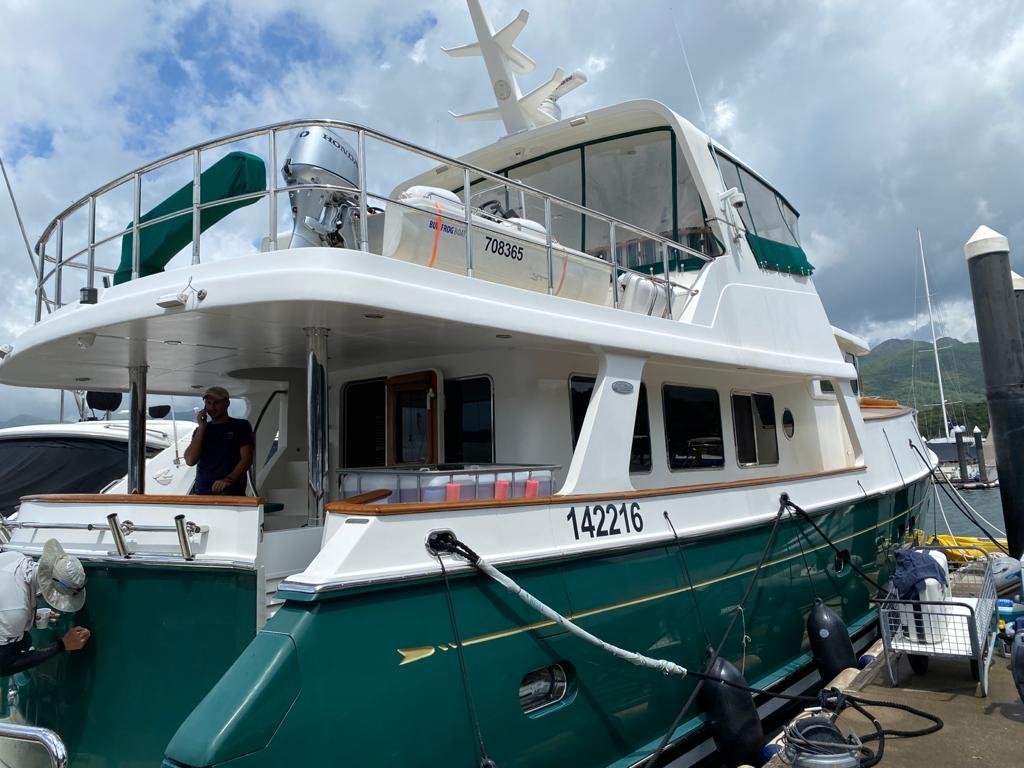
Relocating a high-value motor yacht from Asian shipyards or brokerage hubs—such as Kaohsiung, Hong Kong, or Singapore—to New Zealand and Australia is a 3,000nm+ engineering operation. Unlike coastal hops, an Asia-to-Pacific transit demands rigorous mechanical oversight, strategic bunkering, and a “vessel hardening” protocol to ensure the yacht arrives in showroom condition.
1. Navigating the Asia-Pacific Corridor
The passage from Asia is defined by complex maritime bottlenecks. Whether we are navigating the Lombok Strait to avoid the heavy traffic of the Malacca or pushing through the Arafura Sea, we plan for regional variables. This includes managing high-humidity equator crossings and staying alert to the “squat” effect in the shallow, high-current reaches of the Torres Strait.
2. Shipyard Handover & Systems Audit
For new builds from premier Asian shipyards—such as Horizon, Fleming, Grand Banks, or Dyna—the delivery serves as the ultimate sea trial. Our process begins with a technical audit of the engine room and onboard systems. We identify “infant mortality” failures in electronics and hydraulics before the vessel leaves the hub, creating a comprehensive snag-list to protect the owner’s warranty servicing rights upon arrival.
3. Engineering Auxiliary Fuel Range
The vast distances between Asian bunkering hubs and the South Pacific often exceed factory fuel capacities. We engineer temporary fuel solutions, utilizing secured 200L drums or deck-mounted bladders integrated into the primary fuel lines via filtered transfer pumps. Our skippers maintain disciplined fuel-burn logs, vital for the long stretches across the Coral Sea where fuel quality and availability are inconsistent.
4. Vessel Hardening & Interior Preservation
To maintain a factory finish, we implement a physical protection strategy. This includes fitting corrugated cardboard and heavy-duty covers over high-traffic interior soles and joinery. Given the tropical heat of the North, we actively manage climate control and ventilation systems to prevent moisture damage, ensuring the vessel arrives in Brisbane, Sydney, or Auckland in pristine condition.
5. Synoptic Weather Routing & Monsoon Management
Navigating from Asia requires expert analysis of monsoonal shifts and tropical depression cycles. We utilize high-resolution GRIB data to select synoptic weather windows that avoid high-load sea states. By prioritizing structural stability and avoiding beam-on swells we minimize stress on the hull and stabilizers during the long-range transit.