Yacht Delivery Preparation: Why a Pre-Passage Inspection Matters
A yacht delivery doesn’t begin when the lines are slipped. It begins hours, and sometimes days, before departure with a thorough pre-passage inspection.
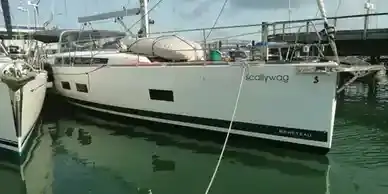
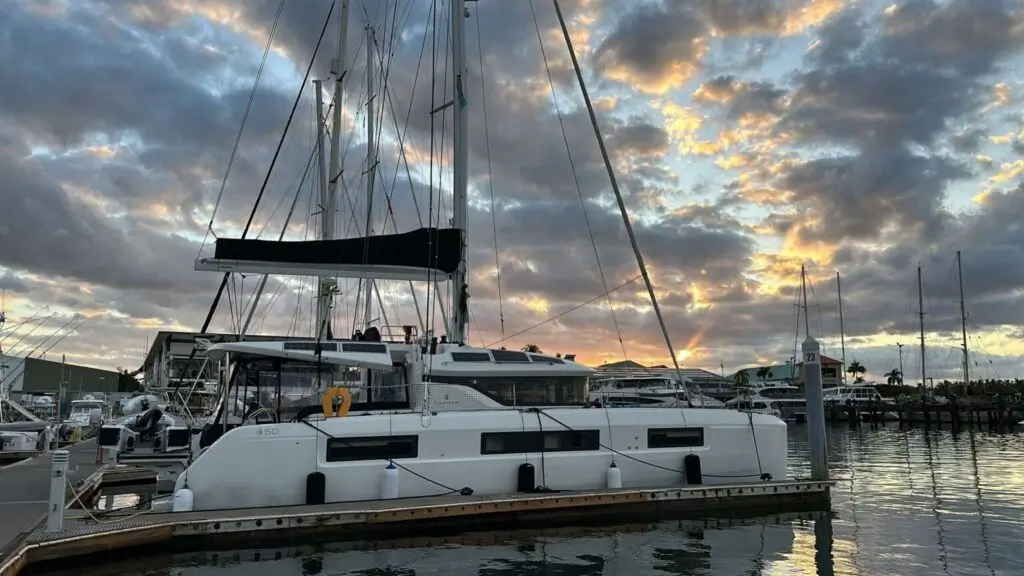
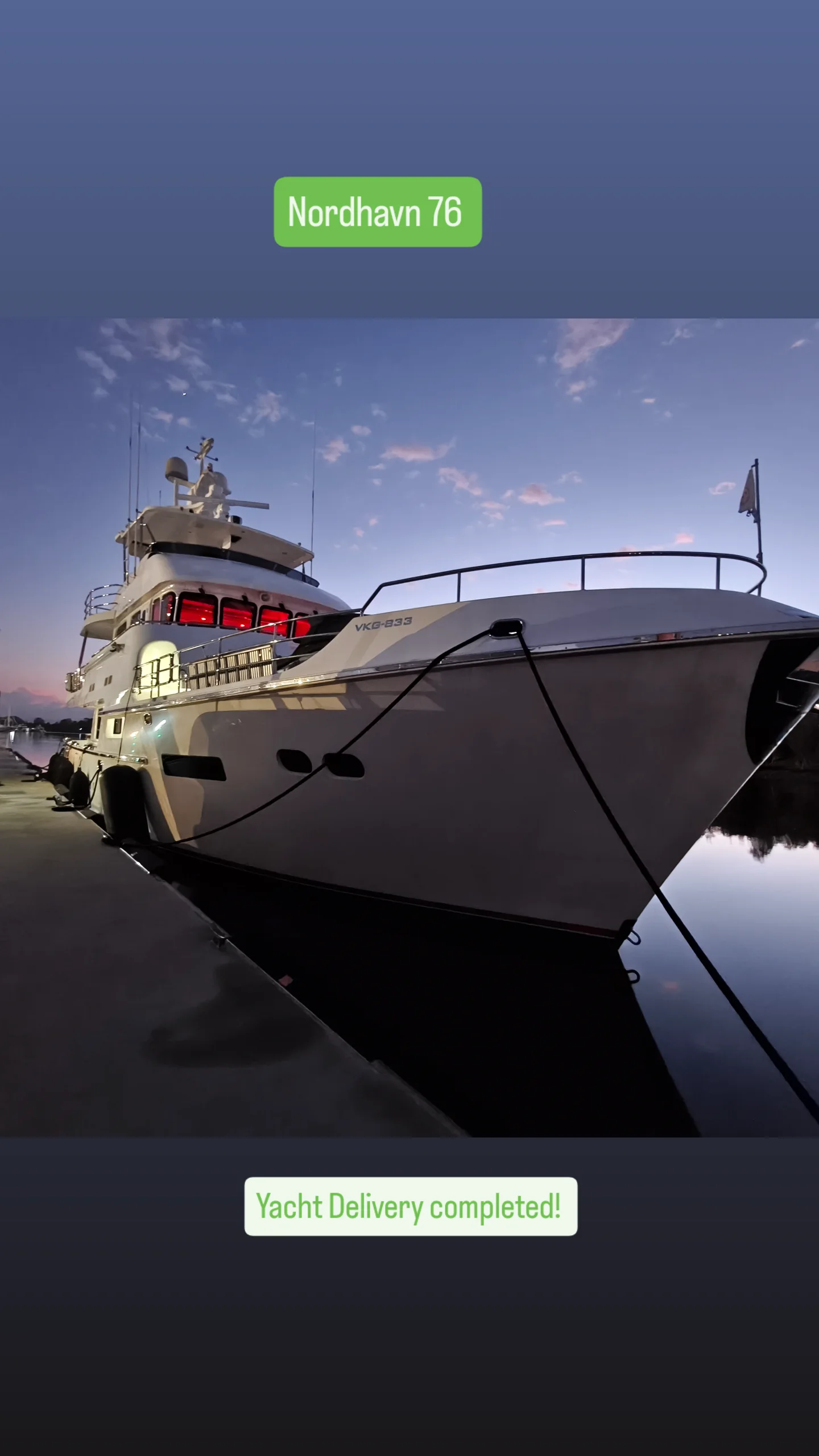
Whether we’re delivering a 45-foot cruising yacht or an 80-foot motor yacht, the process is always the same. We want to understand the boat, identify any issues before leaving the dock and ensure both the yacht and crew are ready for the passage ahead.
No boat is perfect. Even brand-new yachts can have minor issues, while older yachts often have modifications made by previous owners. The key is knowing what you’re working with before you’re several hundred miles offshore.
The inspection starts with a complete walk around the yacht. We check the hull, deck fittings, lifelines, cleats, anchors and windlass, looking for anything that appears damaged, loose or excessively worn. On sailing yachts we also inspect the rigging from deck level, paying particular attention to turnbuckles, split pins, halyards, reefing systems and any areas where chafe is likely to occur.
Below deck we move methodically through the yacht’s systems. Engines are checked from cold, including oil and coolant levels, belts, hoses, raw water strainers and any signs of leaks. Once running, we confirm charging voltage, cooling water flow and allow the engines to reach operating temperature while looking for anything unusual.
Navigation equipment is tested before we leave the marina, including GPS, chartplotters, radar, AIS, VHF radios and the autopilot. Discovering an autopilot fault after two days at sea is far less convenient than finding it alongside the dock.
Safety equipment is just as important. We confirm the location and condition of lifejackets, harnesses, EPIRBs, flares, fire extinguishers, bilge pumps and first aid equipment. We also make sure every crew member knows where everything is and understands the emergency procedures before departure.
Once the yacht itself has been inspected, attention turns to the passage plan. We review the latest weather forecasts, consider alternative routing options, calculate fuel requirements and identify suitable ports of refuge if conditions change. Offshore passages rarely go exactly to plan, but good preparation provides options when decisions need to be made.
Finally, we load provisions, check water and fuel levels, secure loose equipment and carry out one last walk around the yacht before departure. Small jobs such as securing lockers, checking seacocks, confirming navigation lights and ensuring everything is properly stowed can prevent unnecessary problems once underway.
Over the years we’ve found that many offshore issues don’t begin offshore—they begin in the marina because something was overlooked before departure. Spending a few extra hours carrying out a thorough inspection is far easier than trying to solve the same problem at sea.
At Yacht Delivery Solutions, every delivery starts with the same approach: inspect carefully, prepare thoroughly and leave the dock knowing the yacht is as ready as possible for the voyage ahead. Good preparation won’t guarantee a trouble-free passage, but it greatly reduces the chances of avoidable problems and helps ensure a safer, more efficient delivery.