
Professional offshore delivery and regional transit for sailing catamarans. We provide technical vessel movements between Hong Kong, Singapore, the Philippines, and Australia, prioritizing structural integrity, mechanical oversight, and a clean, showroom handover.
Real-time satellite tracking
Written daily updates with photos covering weather conditions, and system status.
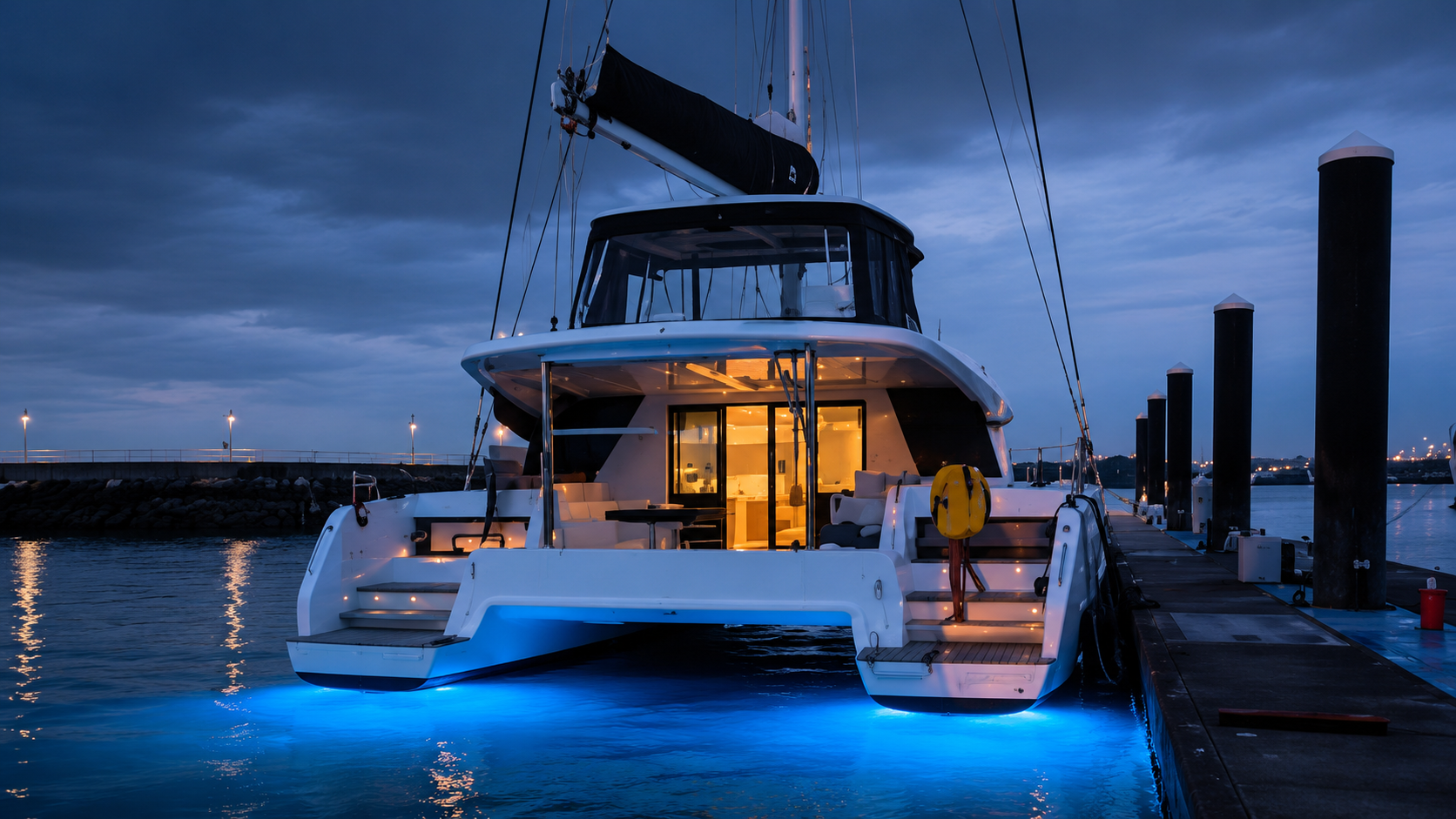
Regular runs on brand new Seawinds in Vietnam and surrounding waters. Familiar with traffic density, marina coordination, and realistic passage timing.
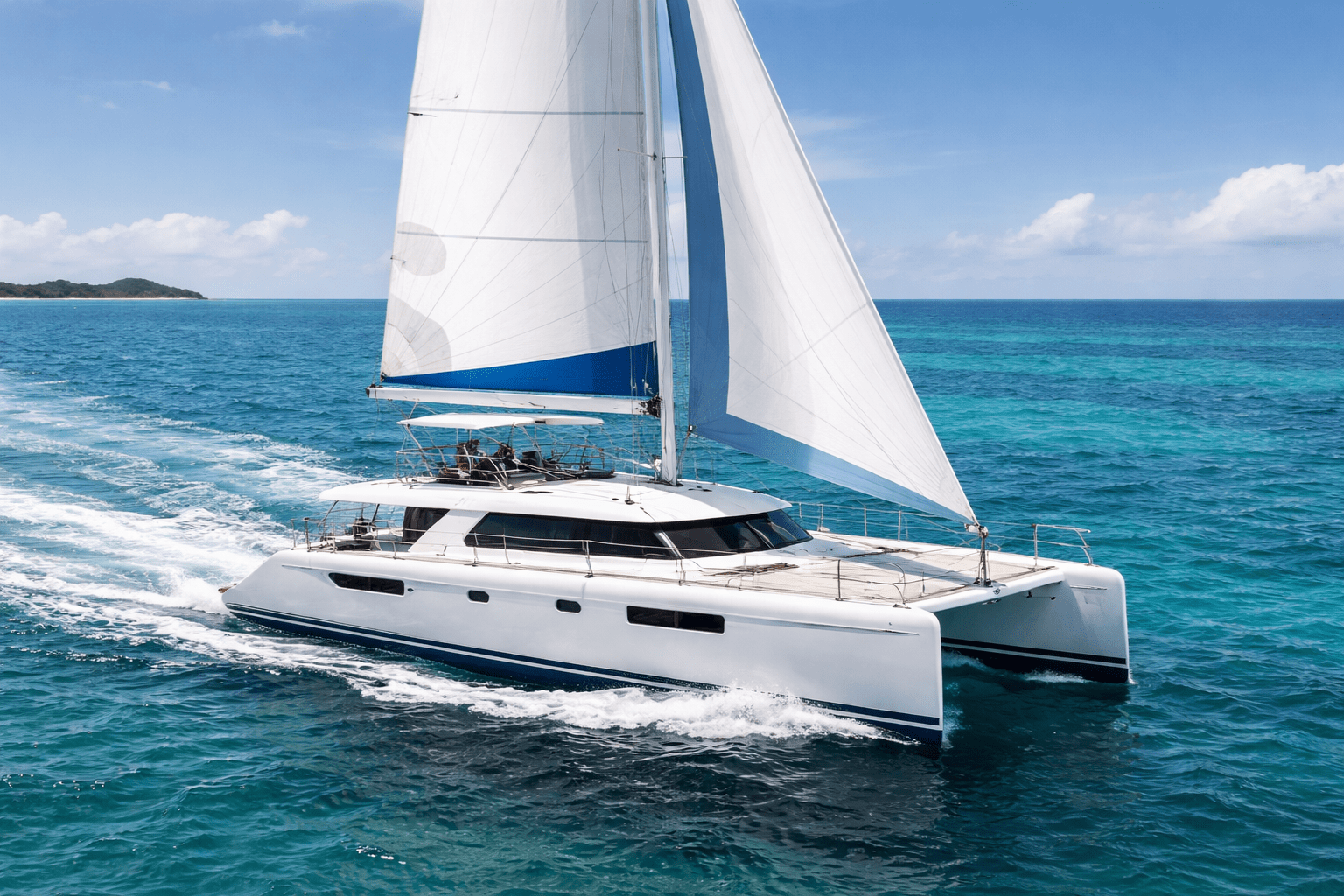
Experience with sailing and power catamarans, including Lagoon, Leopard, and Fountaine Pajot vessels. And power cats like the Granocean.
End-to-end delivery management including passage planning, crew, updates, and handover. With transparent accounting and excellent communication.
Accurate fuel burn, range calculations, and refueling stops planned before departure. IBC or bladder installation and transfer system
Operational experience delivering catamarans throughout Hong Kong, the South China Sea, and wider Southeast Asia. Familiar with offshore multihull routing, busy commercial traffic environments, marina operations, and managing long-range passages in variable regional weather conditions.
Click Here To Chat With Your Skipper
Handover is completed with clear reporting on passage performance, onboard systems, fuel status, and any operational observations identified during the offshore delivery.
Delivery estimates are discussed upfront based on catamaran type, offshore route, weather window, and timeframe. Passage planning is based on realistic operating conditions throughout Asia and the wider Pacific region.
Experience delivering Lagoon, Seawind, HH, Leopard, and similar offshore catamarans throughout Southeast Asia. Passage planning focuses on multihull loads, weather routing, fuel management, and safe offshore operation.
Regular communication is maintained throughout the delivery, including vessel position, passage progress, weather updates, and operational observations during the voyage.
Fuel planning is calculated using expected vessel consumption, cruising speed, route distance, and available refuelling infrastructure.Conservative fuel reserves are maintained throughout offshore passages to reduce operational risk and allow flexibility if conditions change.
Primary factors are vessel type and size, fuel consumption, route distance, crew requirements, and timeframe. Weather delays or route changes can also affect final cost.
No. Passage planning takes into account regional weather systems, commercial traffic density, and offshore routing considerations. Deliveries are run at efficient cruising speeds to balance fuel consumption, range, and mechanical reliability.
Refuelling stops are planned before departure based on range and available infrastructure. We avoid tight margins and maintain fuel reserves throughout the passage.
Vessel type and model, current location, destination, preferred timing, and any known mechanical or operational considerations.
For longer offshore legs, we’re experienced with auxiliary fuel solutions including bladders, IBCs, and onboard fuel transfer systems. These are integrated into the delivery plan with clear safety procedures, allowing extended range while maintaining appropriate reserves and operational margins.
WhatsApp us